Welcome back! This week I will begin diving into Crystalborne: Fate of Heroes, by Machine Zone. For the next few weeks I will dive into different aspects of the Game to see what design learnings there are to gleam as well as whether the game is destined to be a hit. This week, I look at the systems Players will engage with to optimize Heroes.
We’ve seen 4x Games appropriate RPG mechanics for awhile now. But can 4x Mechanics go into an RPG? That is Machine Zone’s Gambit in Crystalborne: Heroes of Fate. Crystalborne has the typical systems you often see in the RPG Genre (think RAID: Shadow Legends): Hero Rarity, Tier, Level, Equipment, and Skills are all here. Infusion, a craft-based stat-boosting system, plays nicely with MZ’s penchant for robust itemization in it’s games. Here is a brief description of each system as well as the long-term economy implications that system brings:
Hero Rarity, Tier, and Level
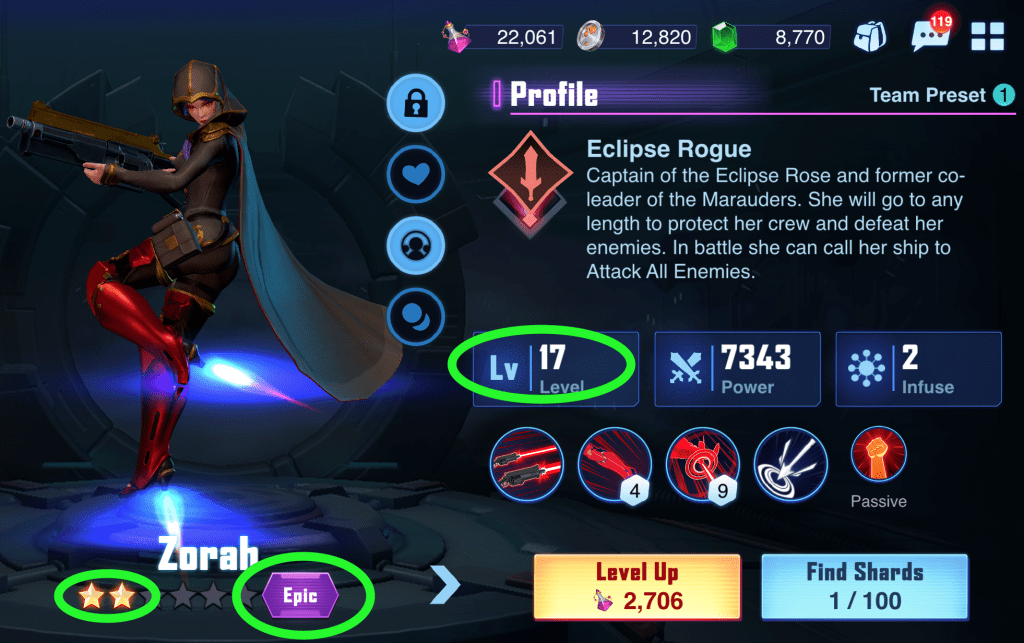
Increasing a Hero Level provides an increase in some basic Hero stats. It costs Hero XP to increase a Hero’s Level. Heroes can also earn XP when they fight in PvE and Bounties.
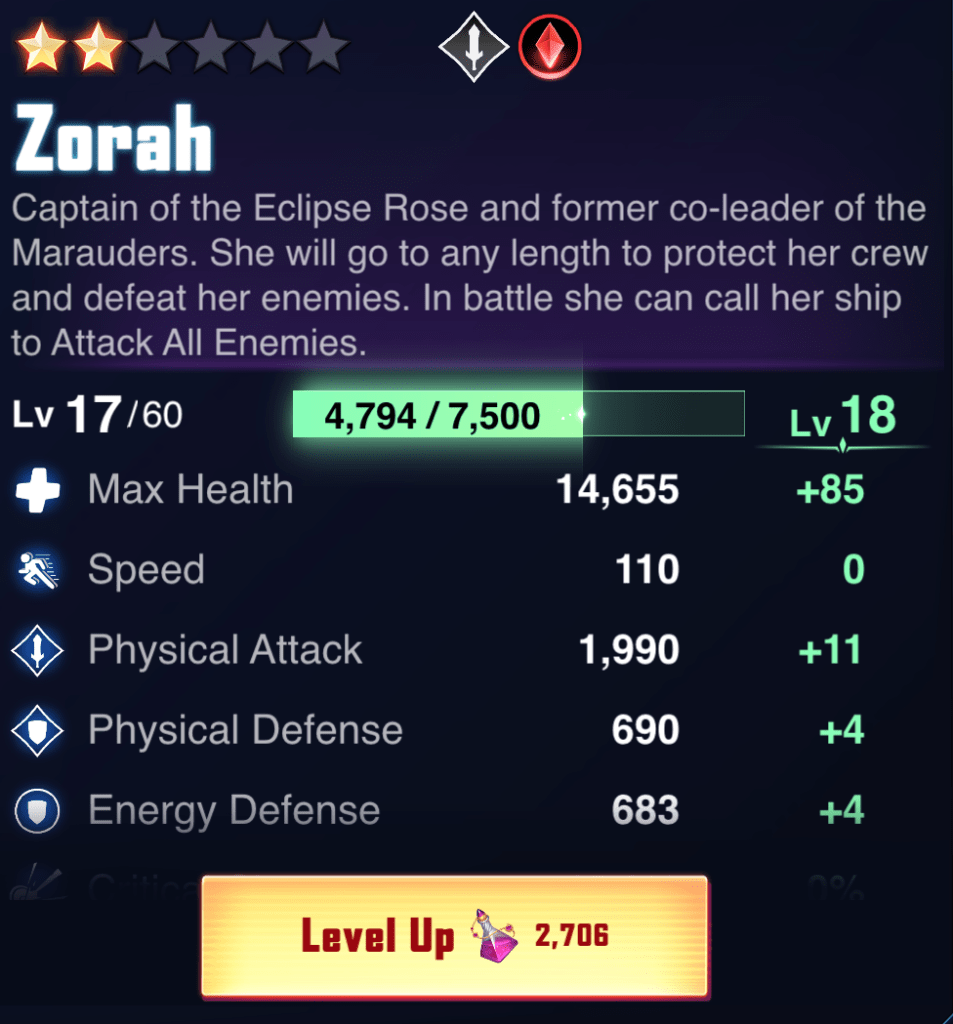
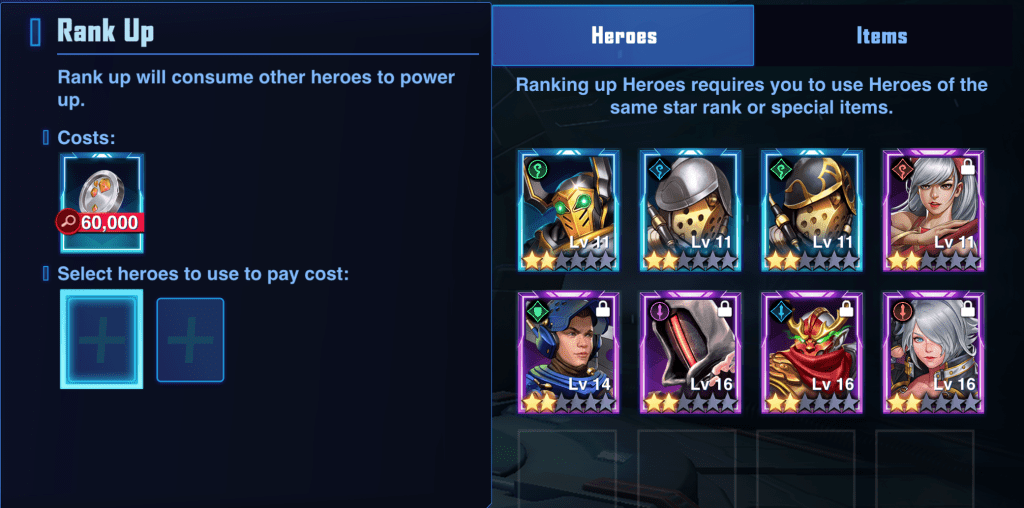
When a Hero hits the Max Level, the Player is prompted to Rank Up the Hero.

Tapping on Rank Up brings the Player to a screen where Players must sacrifice both Heroes and pay Silver. This is pretty much 1:1 with RAID: Shadow Legends.
It is fair to say that Crystalborne hasn’t really changed anything on this front. Though I need to point out the inherent dangers of relying on this type of Hero Depth for MZ. We’ve seen many an RPG monetize off of these Hero Systems in a fairly steady way. But one key difference between other RPGs and Crystalborne is the Inflationary sale strategy that MZ notoriously utilizes in it’s games. Just see these two examples of Sales from Crystalborne: Fate of Heroes and RAID: Shadow Legends:

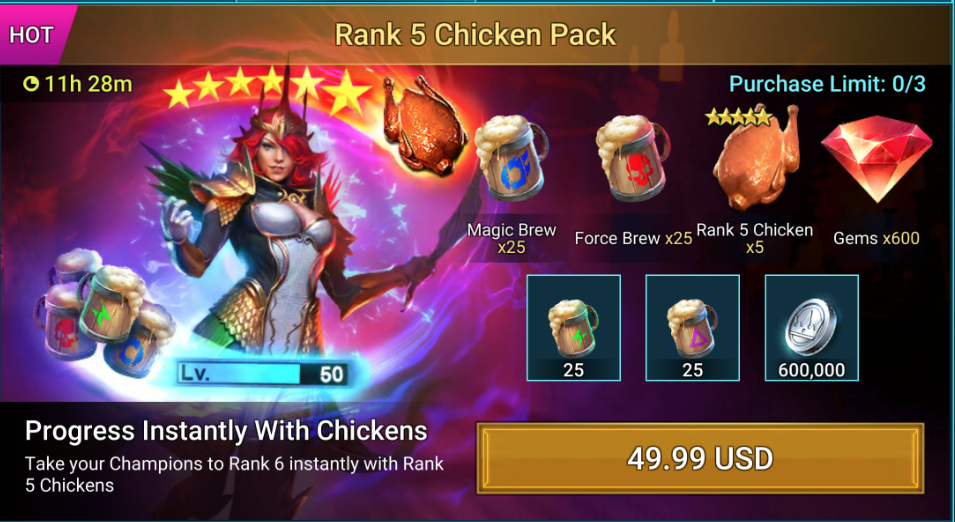
On the surface, RAID’s $49.99 Rank 5 Chicken Pack provides more value than the $99.99 Rank Up Weekly Pack, at least when it comes to ranking up Heroes. But that’s where the value ends for the RAID Pack. The Hero XP Items, Gems, and Silver are not particularly note-worthy.
The same cannot be said of Crystalborne’s Rank Up Pack. The amount of Hero XP and Silver is considerable. A purchase of the $99.99 Rank Up Pack will give the Player significant resources to pursue other systems besides Ranking Heroes up. Unless there is incredibly more depth in the elder balance of these systems, heroes will be fully optimized with considerably less spend than in RAID or equivalent RPGs.
4x Games don’t have this problem typically, since content and depth can more easily be added in many 4x Systems than they can in RPG Hero Systems. This explains MZ’s design decisions with these next features….
Of Airships and Research Decks
You don’t have to play Crystalborne long to see two features that are mainstays of the 4x Genre: Base Building and Research.
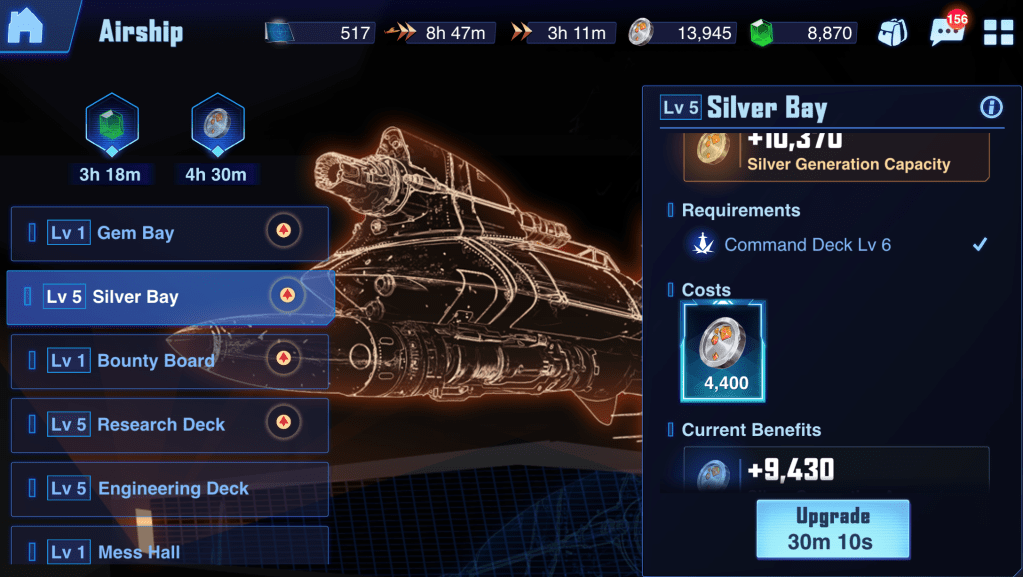
On the surface, the Airship is just a menu-driven base-building system. One might wonder why include such a system in an RPG? Base-Building as a system offers a couple advantages:
1. Provides Players with a Passive Resource Income. Its always useful for Players to get some things when they return to the game. But there are simpler systems that can accomplish this.
2. Manages systems. Upgrading Buildings can unlock, update or improve things other systems. This can be useful in helping shape and navigate the Player experience through optimizing their Heroes. But again, there are simpler ways to accomplish them (and MZ utilizes some of those way to great effect elsewhere).
3. Provide Bonuses. Upgrading Buildings can grant Hero and Economic Bonuses. Many of the options in the Airship do just this.
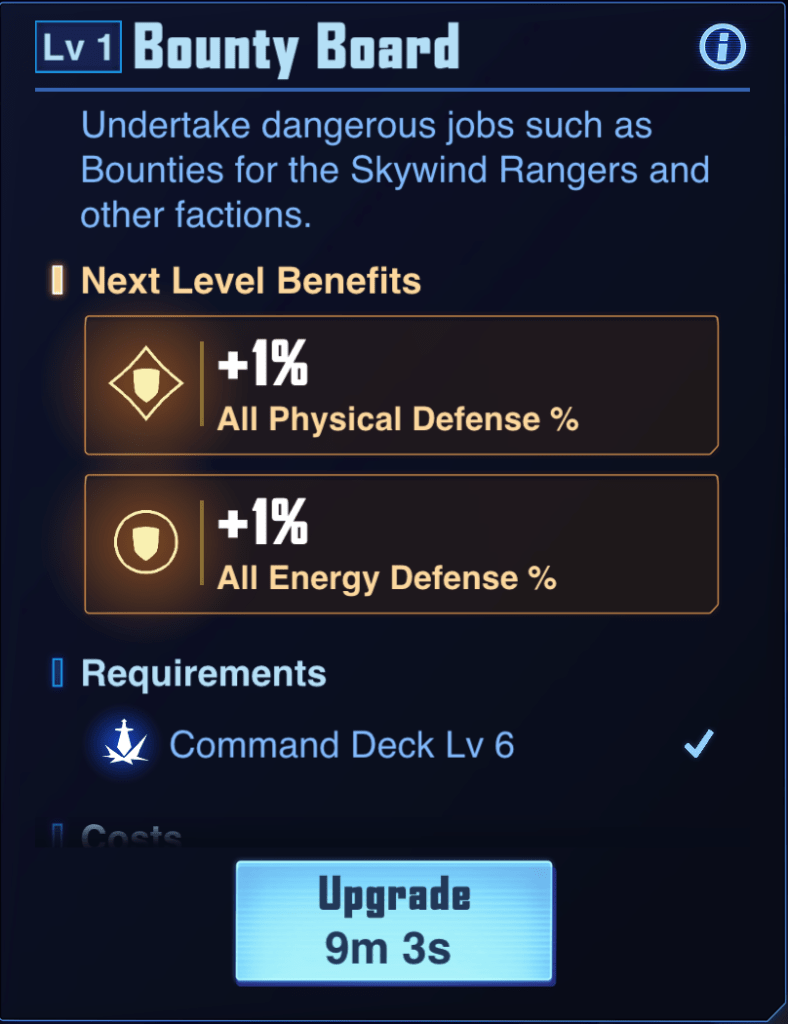
Again, this is useful, but so many other Systems do this. Including the Research Deck:
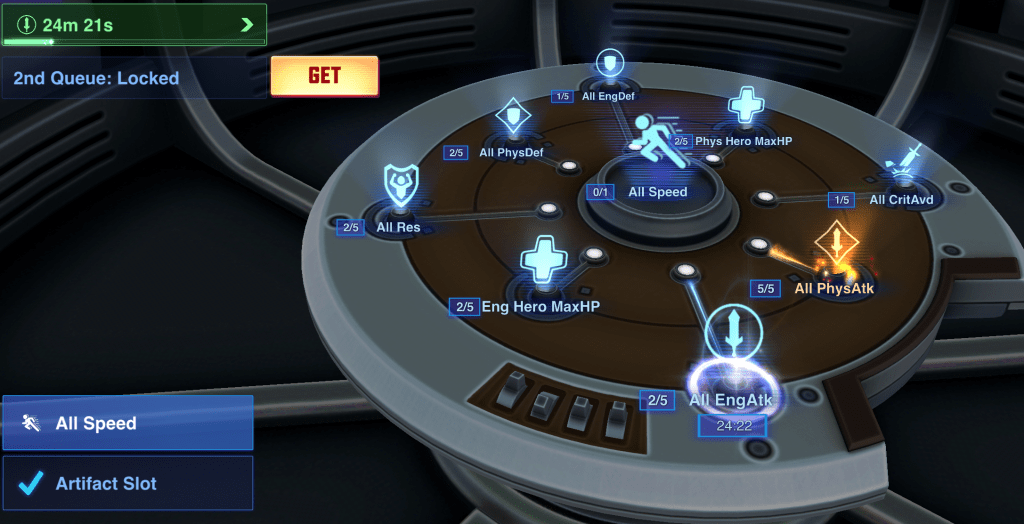
MZ’s brand new UI implementation for Research doesn’t hide the fact that Research is just a system to convert silver, research inputs, and time into permanent bonuses. Players get many more options of what to Research, and there is an end bonus once the whole Tier has been researched. The utility of bonuses acquired through upgrading the Airship pales in comparison to bonuses earned through Research.
So we are back to the original question: Why have an Airship in the first place when other, simpler systems can achieve the same thing? Because MZ needs more depth in the game to feed its over-valued sales, and Base-Building and Research are an easy means of achieving Depth. Traditional Hero Systems weren’t designed to absorb MZ-style value from Sales. And as of now, I haven’t identified anything that could sustain monetization for the long run.
And because I don’t want Part 1 of my Crystalborne Analysis on a sour note….
The Infusion System is a nice addition to Heroes, and is in complete alignment with MZ’s use of Itemization.
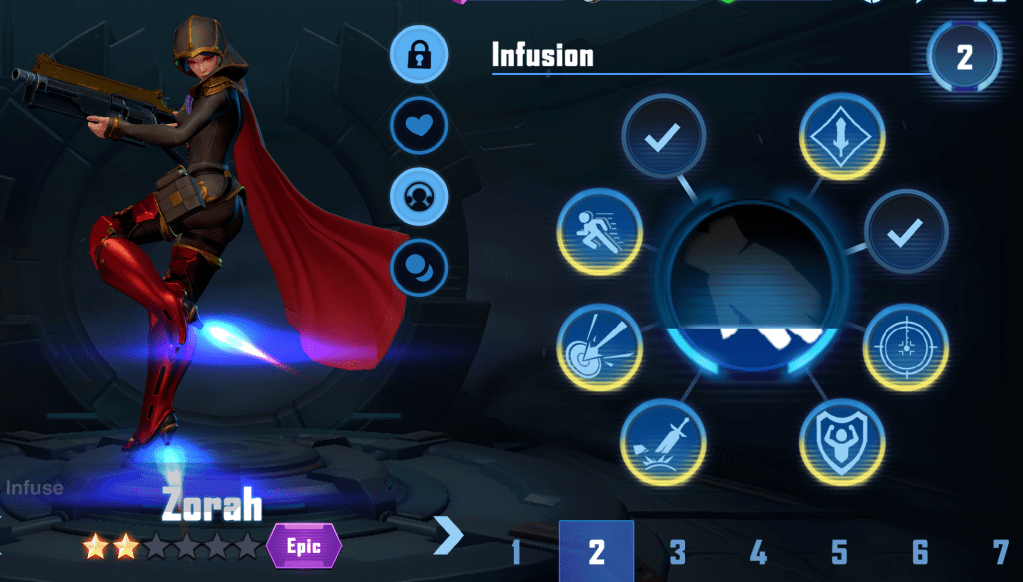
The gist of infusions is pretty simple: Craftable Items + Infusion Currency + Silver = Permanent Hero Stat Bonus. Completing all 8 Purchases gives you a significant reward at the end. There are multiple tiers of Infusions, so it seems like its easy to add content too. Pretty simple, huh?
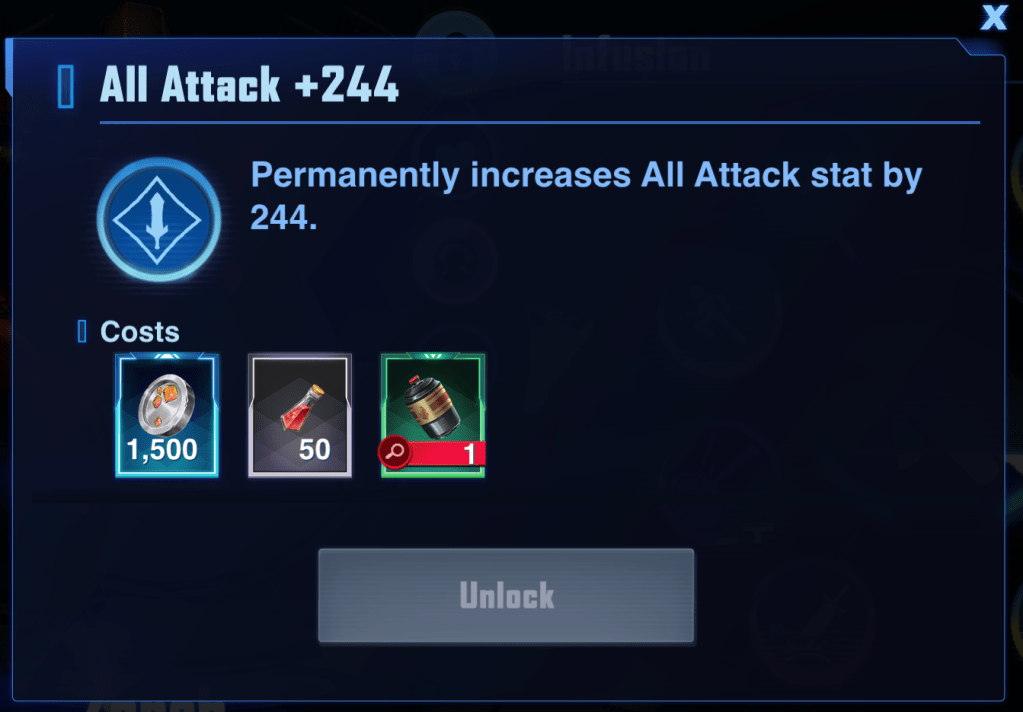
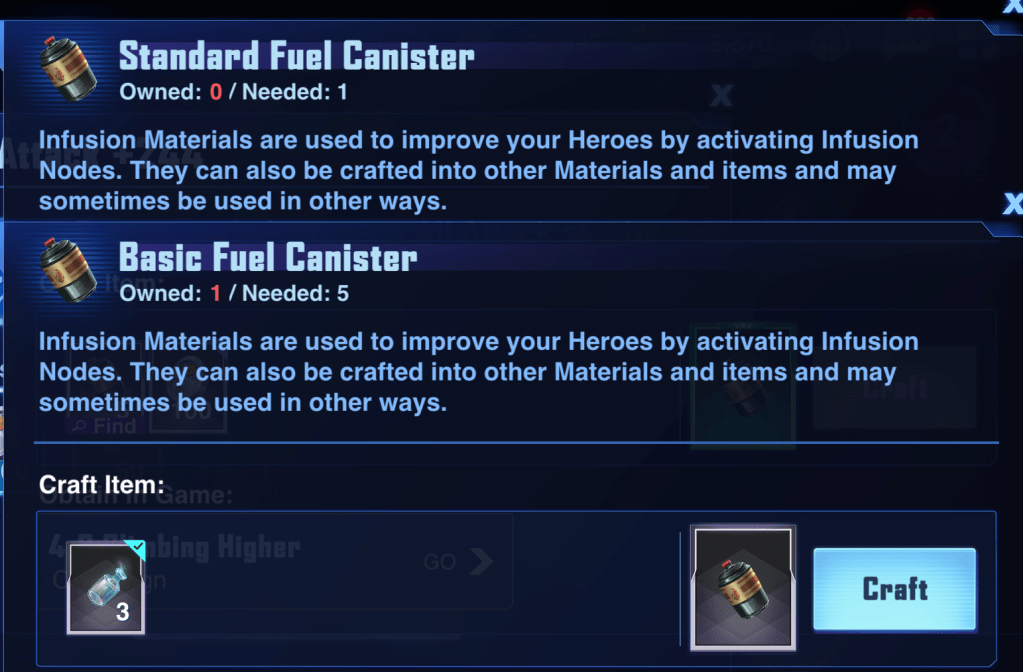
These Items can be crafted from other Items, giving Crystalborne a lot of potential in adding depth through Crafting Recipes for Infusion Items.
Although I initially viewed Infusions as an innovated system (and to a large degree it still is), I have become convinced that Infusions is inspired by the Character Equip system found in Heroes Charge-system RPGs like Star Wars: Galaxy of Heroes.
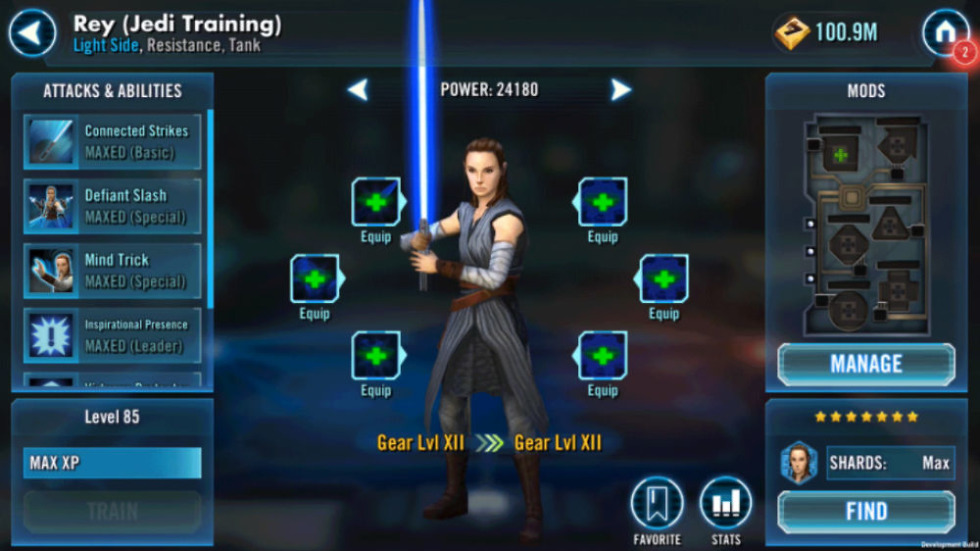
Many games don’t have both the Heroes Charge Gear System and the RAID Equipment System, since thematically they fill the same role. But I think that is lazy design to keep them separated, since they operate very differently. So kudos to MZ for rethinking Heroes Charge Gear and modernizing it to make it compatible with current F2P RPG systems.
Final Thoughts
The Blanket adaptation of typical F2P Hero Systems without adjusting Sales to take into account the realities and limits of Hero System depth make me worried for the long-term Monetization of Crystalborne, at least on the Hero-side. But there are other possible avenues of Monetization. Stay tuned for Part 2 of my Crystalborne review, where I discuss Gameplay modes and how they might impact current and future monetization opportunities.
Well that’s it for this week, folks. Thanks for reading! Any questions or comments are appreciated. Til next time!
Jeff
 Principles of Free to Play Game Design
WOuld like to see Part 2 of this article if it ever existed !! Thanks and great work
LikeLiked by 1 person
Thanks for the comment! Given the reputation of Machine Zone, I expected Crystalborne: Fate of Heroes to be a big hit. Unfortunately it has kind of petered out so I moved to other topics. But I’ll take another gander at it and see if anything has changed in the last two months!
LikeLiked by 1 person
thanks so much for the response Jwittsf! Do you think there’s hope for MZ to make a comeback after so many years on the ropes with so many great competitors out there?
LikeLike